



A Q&A On Adaptive Shoes … With The Experts
What to know. What to wear. And most importantly, where to start!!

Gregory Gottfried
Let's Move US
Although we love patting ourselves on the back, the purpose of the Let’s Move Blog isn’t just to analyze our logo and announce awards we’ve won … although we’re very proud of both of those things. Instead, it’s to try to inform all of those out there reading this and maybe learn a thing or two in the process.
With that said, we know many individuals who want to join adaptive sports and recreation programs are trying to figure out adaptive shoes, braces and what to wear when moving.
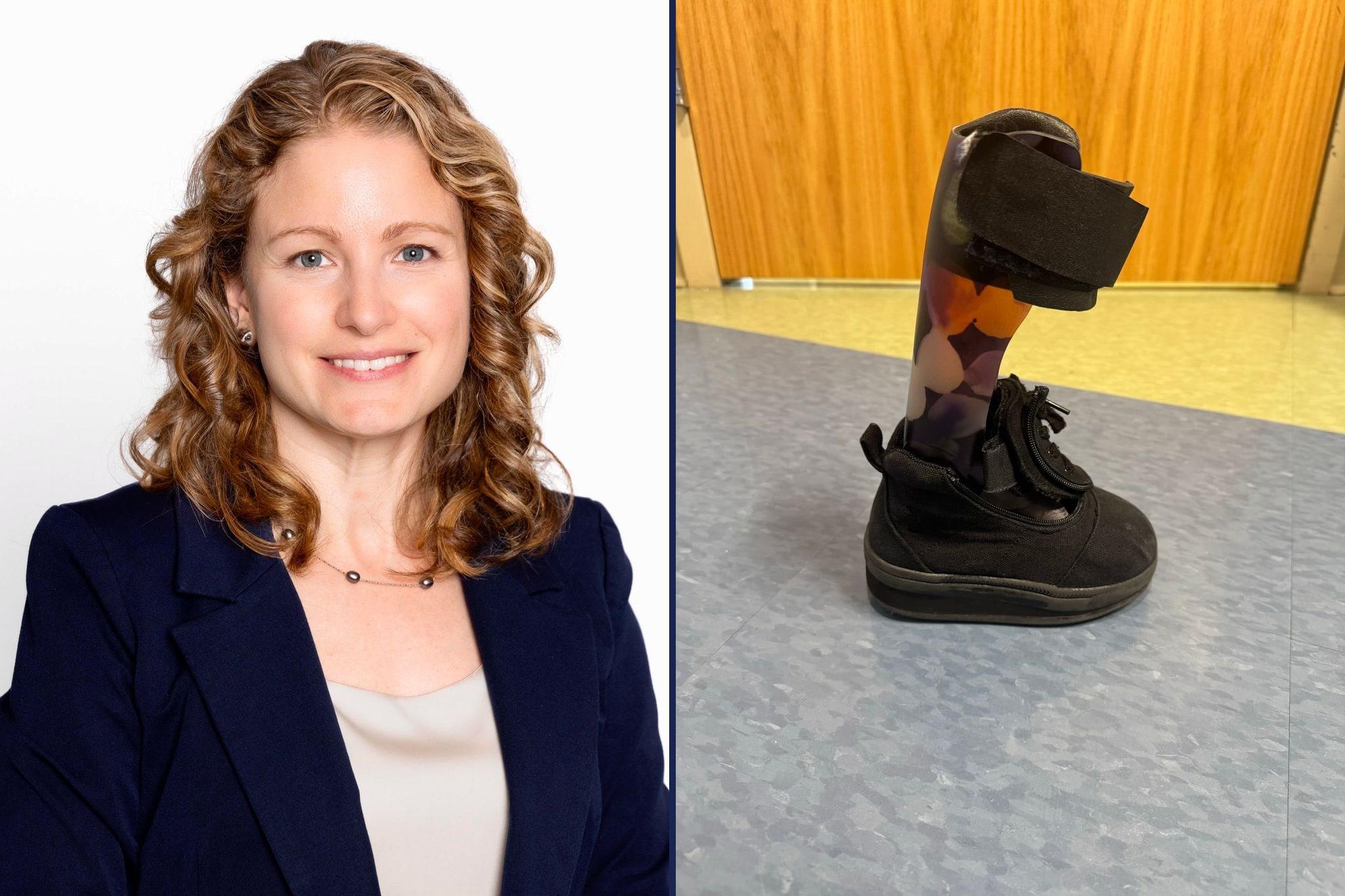
So, we went to an expert: Vera Tsetlina, MD, the Director of Pediatric Physiatry at Westchester Medical Center and NY State Director for Let’s Move US.
Because there are so many questions and so little time, let’s get to the Q&A, in which these specialists break down what you need to know when it comes to adaptive shoes and bracing.
1. What are Adaptive Shoes? What makes them different?
Adaptive shoes are made to support diverse mobility needs. For example, orthoses/braces (AFOs, SMOs), prosthetics, foot deformities, etc. Today, we will mainly be focusing on how they are used with orthoses/braces, as many families struggle to find the perfect shoe. The brace is usually made of a plastic material that can go up to the ankle, knee or hip. The height depends on how much support is needed for standing or walking. The purpose of the brace is to allow for improved balance, support, and positioning of the foot.
When we prescribe a brace, the shoes play a pivotal role in optimizing the walking pattern. The braces are only meant to be worn with the shoe, as they’re made of hard plastic and can be slippery. Unless specified by the orthotist, the braces are not to be used without the specific shoe wear. The type of shoe that we choose to put over the brace matters, as we can improve comfort and the walking pattern. Also, we have the tools to make them unique and cool.
2. Who fits you for them? What’s the process?
The shoes for the braces are purchased by the patients themselves. Despite our best efforts, insurance coverage for it is unfortunately very limited. You are likely to get instructions on which adaptive shoes may work best from the orthotist who fits you for the brace or from a doctor who prescribed the brace.
3. Where should I start when it comes to adaptive shoes?
When we’re thinking about the shoes to fit the brace, we want to choose a wider shoe with a wide toe box, which would allow for the extra space for the brace to fit in. The brace will add a bit of length to the foot, so we recommend going a ½ size or even a full size larger. This is, of course, best to discuss with the orthotist when they’re making the measurements, if they expect needing a longer shoe versus just a wider shoe. Another good question to ask your provider is regarding the type of sole and the presence of a heel: many brands currently are making large cushioned soles with a bit of a heel and a round contour. This type of shoe sole can be helpful in some cases, but can make you less stable in others.
We suggest shoes with a large opening and an extended tongue. The wider opening can be achieved by having a zipper instead of the shoelaces. When choosing shoes with shoelaces and a tongue, look for a shoe with a tongue that isn’t sewn in. Go for shoes with a removable insole, as the insole would need to come out prior to putting the brace in.
To be proactive, bring the shoes you selected to the fitting appointment with the orthotist. This way, you can confirm they are appropriate for your needs. In addition, having the shoes at the fitting appointment with your orthotist would allow for you to trial the brace and make sure it does not bother you while standing/walking.
I recommend buying the shoes from sellers that allow for easy returns (such as Amazon, Zappos, etc.) and keeping the receipts.
4. Well, what if I need 2 different sizes of shoes? Or just one shoe?
Yes, this happens. For example, if you or your child/family member is wearing a brace only on one side, you might need the shoe on that side to be a different size and width. Luckily, many of the companies that make adaptive shoes, or shoes wide enough to fit braces, sell shoes of different sizes and can mix and match depending on what you need. You might need to contact the brand directly with specific requests, but they are amenable.
5. That’s nice and all, but I love this specific shoe brand. What should I do?
Each of us has our favorite shoes, and there are thankfully more and more wide sneakers and adaptive options coming from our favorite brands, such as Nike, New Balance, Skechers, etc. You can also make the shoes work for you by adding no-tie elastic laces, which can make the shoes a bit wider and make the process of wearing them simpler. Or, there are certain companies (sometimes a bit pricey) that add zippers to make most shoes more adaptable. For example, Zipped Shoes.
6. So, we’re good on shoes (for now). What about socks?
You want to make sure you have a well-fitted sock under the brace for safety and to ward off injuries. An ideal sock is one that doesn’t wrinkle and has a snug fit to keep away irritation. The sock would need to be tall so that no part of the brace comes into direct contact with the skin. There are currently tall seamless socks with fun patterns on the market made specifically for the braces. Consider looking on Amazon or at Target.
7. What should I think about when it comes to cleaning and washing braces and adaptive shoes?
The braces should be kept clean and dry. They can be washed in warm, soapy water. After rinsing, make sure there is no soap residue left on the brace. Keep away from the washer and dryer. Do not use a blow dryer or any high heat on the brace, as this can warp the material. Braces are formulated to be an exact fit, so it is very important to avoid damaging the material. It’s important to inspect the brace regularly and check it for cracks or sharp edges to make sure it doesn’t bother or irritate you.
As to the shoes, they should also be kept clean and in good condition. Usually, each shoe that we purchase comes with directions on how to clean it. A lot of the shoes these days can be machine-washed, which is nice. But avoid drying the shoes, as they can often shrink and no longer fit the brace.
8. What about when it gets hot in the summer? What do you recommend?
Depending on your specific case, you can discuss with your doctor if they think a sandal with a brace would be safe. And if so, certain sandals are definitely better than others (For example, SureStep makes a sandal that is meant for a brace). Many sandals are not as well-constructed for braces, as they leave the toes unprotected, the back can slip off, and they generally lack support for the brace. I would recommend against using the sandals unless instructed differently by a provider.
9. Okay, that’s it for now. Thank you.
That’s not a question. But you’re welcome!
Share this post
Like this post? Share it with your friends!